Cheapest Health Insurance: A Complete Guide in 2026 (Save With These 10 Companies!)
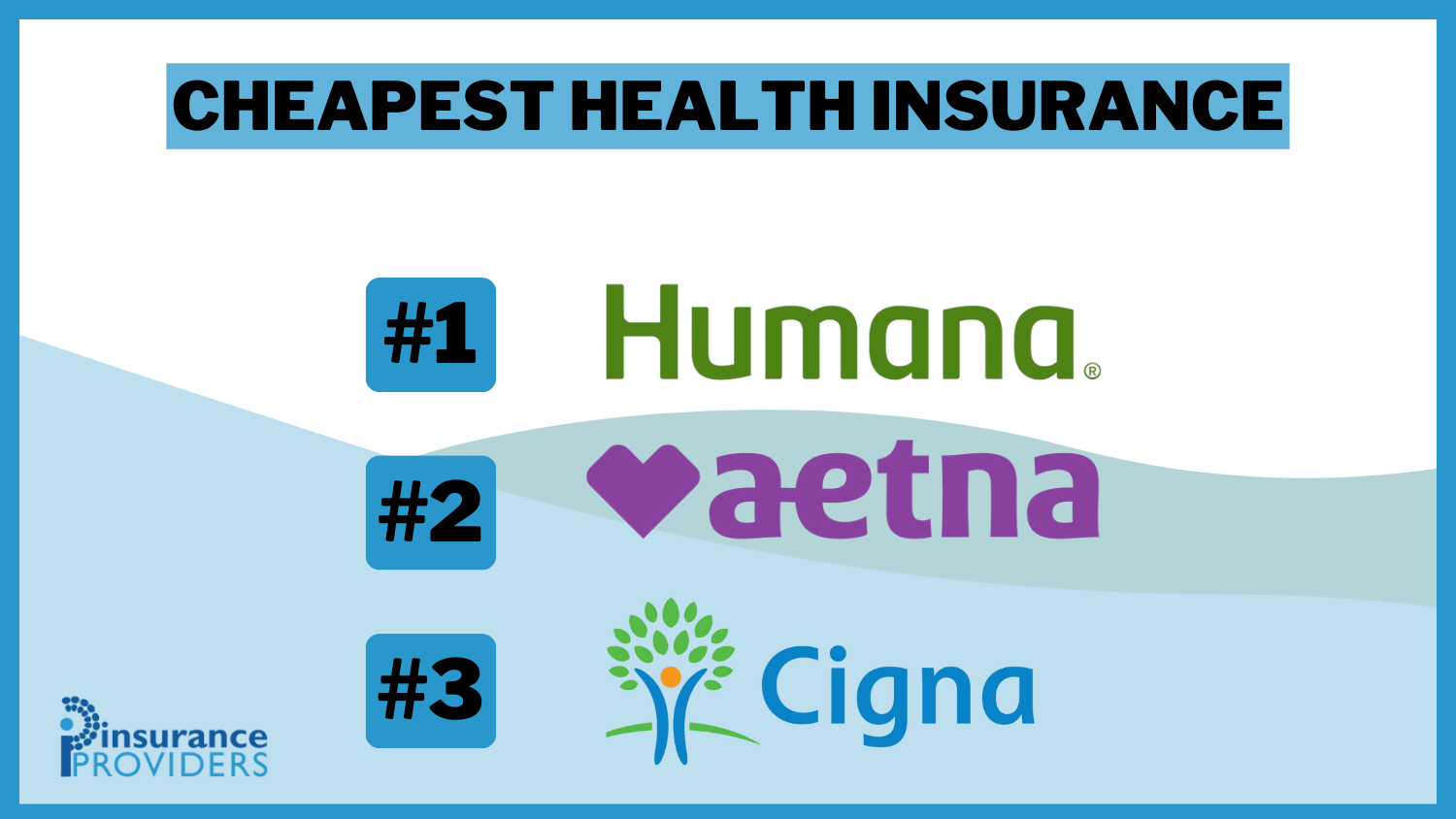
Humana, Aetna, and Cigna are the cheapest health insurance companies. Their cost-effectiveness, coupled with comprehensive coverage, sets them apart as the optimal choices for budget-conscious individuals seeking reliable healthcare solutions.
Tim Bain is a licensed life insurance agent with 23 years of experience helping people protect their families and businesses with term life insurance.
His insurance expertise has been featured in several publications, including Investopedia and eFinancial. He also does digital marking and analysis for KPS/3, a communications and marking firm located in Nevada.
Zach Fagiano has been in the insurance industry for over 10 years, specializing in property and casualty and risk management consulting. He started out specializing in small businesses and moved up to large commercial real estate risks. During that time, he acquired property & casualty, life & health, and surplus lines brokers licenses. He’s now the Senior Vice President overseeing globa...
Unravel the cheapest health insurance companies like Humana, Aetna, and Cigna. Discover the optimal balance of affordability and coverage tailored to your needs.
Things To Remember
Humana, Aetna, and Cigna stand out as top choices for affordable and comprehensive health insurance coverage.
Health insurance costs vary widely by state due to factors like location, age, and coverage needs.
Finding the right health insurance includes comparing quotes, understanding coverage options, and exploring government programs for affordability.
Very few things in life are as stressful as needing to visit the emergency room or urgent care without health insurance. Even something simple like visiting your doctor when you have a cold can be prohibitively expensive if you don’t have the right health insurance plan.
Health insurance is the largest monthly expense for many Americans, with the average individual paying $456 a month. Although health insurance can be expensive, there are plenty of ways to keep your costs low.
To get started, make sure you know what health insurance covers. Then, compare rates with as many companies on the health insurance marketplace as possible to ensure you receive the best health care at the lowest price. Read on to learn more about finding the cheapest health insurance that still meets your needs.
#1 – Humana: Affordable Healthcare Provider
Humana emerges as a cost-effective and comprehensive health insurance choice, providing reliable coverage for budget-conscious individuals.
Dani Best
Licensed Insurance Producer
Pros
Multi-policy discount: Offers up to 15% discount for bundling multiple insurance policies.
Affordable premiums: Competitive pricing starting at $75.
Wide coverage options: Tailored plans to suit diverse healthcare needs.
Wellness programs: Offers programs to promote healthy living and well-being.
Flexible network: Wide network of healthcare providers for easy access to services.
Cons
Limited family discount: The family discount is capped at 5%, lower compared to some competitors.
Potential limitations: Some plans may have restrictions on coverage or services.
There is no getting around the harsh reality, health insurance is expensive. Finding affordable insurance can be challenging, and it’s often a big factor people consider when choosing a job.
Health insurance companies can look at several factors when crafting your rates. These factors include:
Location: Like most types of insurance, where you live plays an integral role in your health insurance quotes. Local health care costs, state laws, and the cost of living in your area affect your insurance.
Age: Older applicants can pay up to three times as much for their health insurance compared to younger people.
Individual vs. family enrollment: You’ll pay more for insurance when you have multiple people on your plan. Some plans increase for each child you add, while others insure all your dependents for the same price.
Keeping these factors in mind, the average American pays about $456 a month for individual coverage and $1,152 for a family plan. However, you may see vastly different prices depending on your unique factors and your insurance company. Cheap individual health insurance is difficult to find.
Most Affordable Health Insurance Costs by State
While the average individual pays about $456 a month for health insurance, the state you live in significantly affects your rates. For example, West Virginia and Wyoming residents typically pay more than $500 a month for their insurance. On the other end, Alabamans and Minnesotans often pay less than $300.
Finding the best health insurance by state requires a bit of research to ensure you get the right plan. Understanding the details of any potential policy you might buy is integral to getting your health care needs met. You may also want to explore options with a smaller, regional health insurance provider. For example, if you live in Illinois or Indiana, see our Magnum health insurance review.
Health Insurance Companies With the Cheapest Coverage
You saw above that you’ll pay different rates depending on where you live. While location is crucial to your rates, some companies are generally cheaper options than others.
Kaiser Permanente and Aetna have some of the lowest average rates in the country, but these companies might not be the most affordable in your state. For example, Blue Cross Blue Shield of Arizona is one of the cheapest options in the Grand Canyon State.
While the state you live in affects your rates, looking at the cheapest overall companies can help you start your search for cheap health insurance.
Finding affordable health insurance rates is important, but it shouldn’t be the only thing you consider. Like most things in life, you tend to get better quality health insurance plans when you spend more instead of only looking for cheap health insurance plans. For example, many Kaiser Permanente customers complain about the company’s limited network of physicians.
Choosing the Right Health Insurance for Your Needs
More than half of all Americans get their insurance through their workplace or a partner, parent, or guardian’s plan. From affordable monthly rates to voluntary health insurance, there are a lot of benefits to getting health insurance through your employer.
While that works for millions of Americans, many others need to find their own health insurance. However, finding the cheapest private health insurance can be difficult, especially because there are so many options. Follow the steps below to find the best plan for you.
Unlike other types of insurance, figuring out where to buy cheap medical insurance can be confusing. There are several options to choose from, but it takes a little research to figure out where you should go.
One of the easiest places to start is Medicare. What is Medicare? Medicare is a federally run program that helps Americans 65 or older and those with a qualifying disability get health insurance. Most Americans are enrolled automatically in Parts A and B when they turn 65. If you want Medigap or Medicare Parts C and D, you can sign up during one of the open enrollment periods.
People with low enough incomes might qualify for Medicaid, which provides millions of Americans with affordable medical insurance when they couldn’t otherwise afford it. Unlike Medicare, Medicaid rules vary by state. You’ll need to check local laws to see if you qualify.
For nearly everyone else, there’s Healthcare.gov. Created by the Affordable Care Act — also called Obamacare — the Healthcare website is a marketplace where everyone can shop for coverage. It makes it simple to apply for financial assistance and choose a plan.
Determine Your Health Needs
The type of plan best for you depends on several factors. For example, people in good health that have the option to get coverage through their job usually have a simple choice to make. Most companies only offer a few options, so deciding which will work best is relatively easy.
People shopping in the Affordable Care Act marketplace might see dozens of choices. Seeing so many options can be overwhelming, especially for first-time buyers.
However, there are a few simple questions you can ask yourself to help you determine which insurance plan to buy. First, you should decide if you need health insurance in case of emergencies or if you need continuing care. Generally speaking, younger, healthier people without a partner or dependents are usually fine with the lowest amount of coverage offered.
However, you’ll need to be a little pickier if you have ongoing health issues or a particular physician you want to continue seeing. Keep your health care needs in mind when you choose a plan. For example, you can eliminate policies that don’t include your preferred physicians in their networks.
Understand Your Financial Responsibilities
Like many other types of insurance, there are certain costs associated with health insurance. You’ll need to understand what you’re financially responsible for to find the right plan. Before you sign up for a policy, you should understand the following terms:
Premium: Your premium is what you pay each month to keep your policy active. Your monthly payments do not apply to your other health insurance financial obligations, like your copayments.
Allowable amount: An allowable amount is the maximum amount your policy will pay for a specific service. If you receive a service that exceeds your allowable amount, you’ll have to pay the difference.
Deductible: Most insurance plans have a yearly deductible you need to pay before your insurance kicks in. For example, a policy with a $2,000 deductible means you need to pay $2,000 for health care services before your insurance starts paying.
Copayment: Once your deductible is met, you usually only need to pay a copayment or coinsurance. A copayment is the amount you need to pay for most basic services, like general doctor visits.
Coinsurance: For services that don’t require a copay, you’ll probably pay coinsurance after your deductible is met. A common coinsurance amount is 20% of your medical bills.
Out-of-pocket maximum: This is the maximum amount you can pay in a year before your insurance covers 100% of your medical expenses.
As you can see, there are several things to keep in mind when you’re shopping for health insurance. While you should be familiar with these terms, you don’t have to remember everything. An insurance representative can help you understand what you need to know before you purchase a policy.
How to Get the Cheapest Health Insurance
With the price of health care increasing every year, finding low-cost health insurance for adults is more crucial than ever. The methods for finding the best policy listed above are important, but there are several other steps you can take to find affordable coverage. To find the cheapest health insurance for individuals or families, try the following tips:
Compare plans. No matter which type of insurance you want to buy, comparing quotes is vital to finding the right policy. You’ll likely overpay for your insurance if you don’t compare quotes.
Consider an insurance broker. If comparing policies proves too confusing, you can get help from an insurance broker. An insurance broker can help you find the cheapest policy that meets all your needs.
Try to join someone else’s policy. Many Americans get their insurance through their employer, which helps save money. Usually, spouses, children, and other dependents are eligible to join a person’s workplace policy.
Use a tax-advantaged savings plan. Health savings accounts (HSAs), health reimbursement arrangements (HRAs), or flexible spending accounts (FSAs) can help pay for your health care costs. Most are available through employers, so check with your company to see if you qualify.
Look for government assistance. Depending on your income, you might qualify for government assistance on your health insurance. Even if you make too much money for Medicaid, there are other government programs that can help.
Review your policy. Open enrollment comes once a year and offers the perfect opportunity to review your policy. If there’s been a change to your circumstances, you should review your current policy to ensure it’s still your best option.
Whether you need a basic family policy or the best supplemental health insurance plans for individuals, using the tips listed above can help you save. No matter what your needs are, comparing multiple policies from different companies is the best way to find affordable coverage.
Find the Cheapest Health Insurance Today
Having a good, low-cost health insurance policy is integral to your well-being. From annual checkups with your general practitioner to emergency room visits, finding the best affordable health insurance can help keep your health care costs down.
Now that you know what to look for in a policy, your next step should be comparing quotes from as many companies as possible. If you don’t compare policies, you might overpay for your health insurance.
Frequently Asked Questions
Who has the cheapest health insurance?
Kaiser Permanente and Aetna have the most inexpensive health insurance in America. However, the most affordable company for you depends on a variety of factors, including your location, age, and how much coverage you need.
What are the two most common health insurance plans?
The two most commonly purchased health insurance plans are health maintenance organizations (HMOs) and preferred provider organizations (PPOs). PPOs typically cost more but allow you to see a wider variety of doctors.
How much does health insurance cost per month in New York?
While you might see something much different from the average rate in your state, New Yorkers can expect to pay about $776 a month for health insurance.
What are the main types of health insurance plans available?
The main types of health insurance plans available include:
Health Maintenance Organization (HMO): HMO plans typically have lower premiums but require you to receive care from in-network healthcare providers and obtain referrals from a primary care physician to see specialists.
Preferred Provider Organization (PPO): PPO plans offer more flexibility in choosing healthcare providers and do not require referrals, but they often have higher premiums.
Exclusive Provider Organization (EPO): EPO plans offer coverage only for in-network providers, similar to HMOs, but without the need for referrals.
Point of Service (POS): POS plans combine features of HMO and PPO plans, allowing you to choose between in-network or out-of-network care, but with varying levels of coverage and costs.
How can I find the cheapest health insurance plan for my needs?
To find the cheapest health insurance plan for your needs, consider the following steps:
Assess your coverage needs: Determine the level of coverage you require, including services like doctor visits, prescription medications, or specialist care.
Research available plans: Explore the health insurance marketplace, both government-run exchanges and private insurers, to compare plan options, coverage details, and costs.
Compare premiums and out-of-pocket costs: Compare the monthly premiums, deductibles, copayments, and coinsurance for different plans to find one that fits your budget.
Consider subsidies and tax credits: Determine if you qualify for any government subsidies or tax credits that can help lower your health insurance costs.
Evaluate provider networks: Check if your preferred healthcare providers are in-network for the plans you’re considering to ensure you have access to the care you need.
Review coverage limitations: Carefully review the coverage limitations, including exclusions, limitations on specific services, and prescription drug formularies.
Seek assistance if needed: If navigating health insurance options is overwhelming, seek assistance from insurance brokers or healthcare navigators who can provide guidance and help you understand your options.
Are there any government programs that provide affordable health insurance?
Yes, there are government programs that provide affordable health insurance options, particularly for individuals and families with lower incomes. Some of these programs include:
Medicaid: A joint federal and state program that provides health coverage for low-income individuals and families. Eligibility requirements and coverage options vary by state.
Children’s Health Insurance Program (CHIP): A program that provides low-cost or free health coverage to children in families that earn too much to qualify for Medicaid but cannot afford private insurance.
Affordable Care Act (ACA) subsidies: The ACA provides subsidies and tax credits to individuals and families with moderate incomes to help reduce the cost of health insurance premiums.
Can I get cheap health insurance if I’m self-employed?
Yes, self-employed individuals have options for obtaining affordable health insurance. Some potential options include:
Health Insurance Marketplace: Explore the health insurance marketplace, where you can compare different plans and potentially qualify for subsidies based on your income.
Professional or trade associations: Some professional or trade associations offer group health insurance plans for their members, which may provide more affordable coverage.
Health Sharing Ministries: Health Sharing Ministries are faith-based organizations that facilitate sharing of medical expenses among members. While not technically insurance, they can provide a lower-cost alternative for some individuals.
Medicaid or CHIP: Depending on your income level, you may be eligible for Medicaid or CHIP coverage.
How much does health insurance cost per month for an individual?
While rates vary significantly between states, the average American pays $456 per month for individual health insurance.



 Secured with SHA-256 Encryption







 0 reviews